

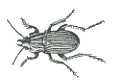
 has been shown to prey on slugs. It is considered the main natural predator of
slugs in agriculture, in the absence of nematodes.
has been shown to prey on slugs. It is considered the main natural predator of
slugs in agriculture, in the absence of nematodes.Beetle predation appears to be related to gastropod species, size and shell thickness, and is a result of the beetles' capability to prevent slugs from exuding large amounts of mucus. It has been shown that following applications of methiocarb-based slug pellets however populations become severely depressed for the remainder of the season. In natural environments, the presence and state of carabid beetle populations is seen as a good indicator of the lack of environmental disturbance.

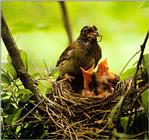
In gardens, birds are the most important of the larger predators. Slugs are eaten by thrushes (who often crack open snail shells on pathways) , robins, starlings, blackbirds, jays, rooks and crows.
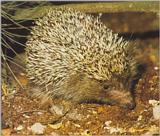
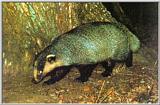
Hedgehogs, badgers and foxes are amongst the mammals which eat slugs (although they will of course eat other slug predators such as beetles too).
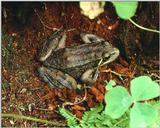
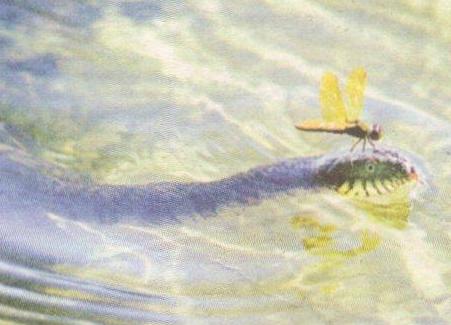
Frogs can easily be encouraged into gardens, and are very worthwhile since their diet often consists of 25% slugs. Many other reptiles and amphibians also prey on slugs, including toads and snakes.
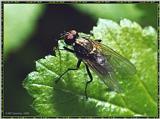
Other natural parasites of slugs include marsh flies (sciomyzids). At 6mm they are unremarkable (and difficult to identify) but growing larvae in the soil will consume numerous slugs before becoming adults.
Testacella slugs are carnivorous, and only distantly related to
slugs. They can be identified b a small shell on their backs and are
not slimy, although live mainly underground, pursuing worms and slugs.
Thus there is such a thing as a beneficial slug!.
For more information visit some of these Beetle Sites, or links
to other slug predators. Please feel free to contact us if
there are any sites you think should be added.
Dr Bill Symondson's Slug Control page, offering invaluable advice on ways to deal with slugs in your garden, including information about and ways to encourage natural predators.
Predators from the Cornell University Biocontrol site: this provides information about US species but much of it is relevant elsewhere also.
Carabidae Information from the Evergreen State College.
Entomology Gallery, Iowa State University: images of a variety of beetles.